
 Australia
 Cayman Islands
 Dominican Republic
 Hong Kong
 India
India
 Indonesia
 Ireland
 Jamaica
 New Zealand
 Singapore
 Thailand
 United Kingdom
 United States
 Vietnam

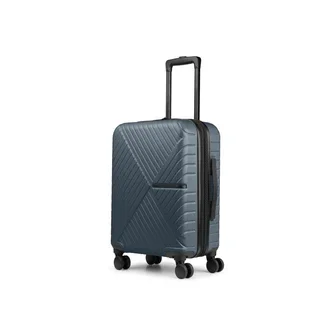
Anyone who has sprinted through an airport dragging a wobbly, overstuffed suitcase knows how much the right luggage matters. A good carry-on isn't just about looks — it's about surviving baggage handlers, fitting airline size limits, and holding up trip after trip. With so many brands, materials, and "expandable" gimmicks on the market, picking the right one can feel overwhelming.
Here's a practical breakdown of what actually matters when buying carry-on luggage, so your next purchase lasts for years instead of falling apart after one trip.
1. Check the Real Size Limits — Not Just "Carry-On Approved"Airlines don't all agree on carry-on dimensions, and "carry-on approved" on a product listing doesn't guarantee it'll fit every airline's sizer. Most international carriers allow around 21.5 x 15.5 x 9 inches (55 x 40 x 23 cm), but budget airlines are often stricter — some shave two or three centimetres off every dimension, and a case that glides through one airline's sizer can get flagged and gate-checked by another.
If you fly multiple airlines regularly, the safest move is to buy slightly under the strictest limit you expect to encounter, or choose a case with a compression strap that lets you shrink it down when needed. It's also worth remembering that wheels and handles count toward the total dimensions — a case listed at "exactly" 21.5 inches with oversized spinner wheels can end up measuring larger in practice.
2. Hard Shell vs. Soft ShellHard shell cases (usually polycarbonate or ABS) protect contents better from crushing and are easier to wipe clean after a spill or a rough baggage carousel ride. They're ideal for fragile items — cosmetics, electronics, souvenirs — and for frequent flyers who occasionally check a bag too, since a hard shell holds its shape better under stacked luggage.
Soft shell luggage is more flexible, often has external pockets for quick access to a passport or phone charger, and can squeeze into tighter overhead bins on smaller regional aircraft. It's better suited to road trips, or for travellers who tend to slightly overpack and appreciate a bit of give in the fabric.
Neither is objectively "better" — it comes down to how you travel and what you're protecting. A photographer flying with gear will lean hard shell; a weekend road-tripper who values easy-access pockets will often prefer soft shell.
3. Wheels Make or Break the ExperienceThis is where cheap luggage fails first, and it's the detail most travellers underestimate before buying. Look for:
360° spinner wheels — lets you glide the case beside you instead of dragging it at an angle, which saves your shoulder and wrist on long terminal walks and tight security-line turns. Recessed or double wheels — reduces the chance of a wheel snapping off during rough baggage handling, since the wheel housing takes the impact instead of an exposed axle. Smooth-rolling on multiple surfaces — test wheels on carpet, tile, and cobblestone if you can. Cheap wheels seize up fast on uneven ground, and a wheel that locks mid-stride in a crowded terminal is a genuinely bad travel day.If you've ever had a suitcase wheel snap off mid-trip, you already know this is the single most common point of failure — more than the shell, more than the zippers.
4. Zippers and LatchesA surprising number of suitcases fail not from cracked shells but from broken zippers, usually at the corners where stress concentrates during handling. YKK zippers are widely regarded as the industry standard for durability, and many quality brands will note the zipper brand directly in the product description.
For hard-shell cases, also check whether it uses a zip closure or a latch/clasp system. Latches tend to survive rough baggage handling better and offer a more secure close, but they generally offer less expansion room than a zip-around design — worth weighing if you're someone who tends to pack right up to (or past) the limit.
5. Weight of the Case ItselfMany airlines weigh your carry-on at the gate, particularly on budget and international carriers, and the suitcase's own empty weight eats into your allowance before you've packed a single item. A heavy but beautiful hard-shell case can leave you with several kilograms less usable packing weight than a lighter aluminum or polycarbonate build.
Lightweight construction lets you pack more without hitting weight limits — worth checking the empty weight listed on the product page before falling for a design that looks great in photos but weighs the case down before you've even started packing.
6. Interior OrganizationA well-designed interior saves time at security and keeps items from shifting mid-flight, which matters more than it sounds when your case gets tossed onto a conveyor belt or stacked under others. Useful features include:
Compression straps to keep clothes from bunching into a wrinkled pile A separate zippered pocket for shoes or toiletries, keeping them away from clothing A padded laptop or tablet sleeve if you travel with electronics, so you're not relying on a generic packing cubeSmall interior details like these are often the difference between a case that feels chaotic to repack at the gate and one that stays organized trip after trip.
7. Warranty and Build ReputationLuggage takes a beating from baggage handlers, so a solid warranty says a lot about how confident the brand is in its own durability. Established travel brands — the kind that have been tested across thousands of real flights rather than just marketed for looks — tend to be a safer long-term investment than ultra-cheap, no-name sets that look identical in photos but use thinner shells and weaker wheel housings.
If you're shopping for a carry-on, luggage set, or travel accessories built for real airport wear and tear, it's worth browsing a dedicated travel luggage and suitcases collection at Bentley which carries a range of carry-ons, check-ins, and accessory sets designed for frequent travel.
A Quick Pre-Purchase ChecklistBefore you buy, run through this short list:
Does it fit the strictest airline sizer you're likely to face, wheels and handles included? Hard shell or soft shell — which matches what you're actually protecting? Are the wheels 360° spinners, and are they recessed rather than exposed? What brand of zipper (or latch system) does it use? What's the empty weight, and how much of your baggage allowance does that leave you? Does the interior have compression straps and separate compartments? What does the warranty actually cover, and for how long? Final Thoughts
The best carry-on is the one that matches how you actually travel — frequent short hops, long-haul trips, or the occasional weekend getaway. Prioritize wheels, zippers, and weight over flashy colors or trendy shapes, and you'll end up with a suitcase that survives years of travel instead of one that falls apart after a single overhead-bin jam.