Top Strategies for Safe Heavy Equipment Hauling
By Golden Freight Forwarding
· 06/09/2026
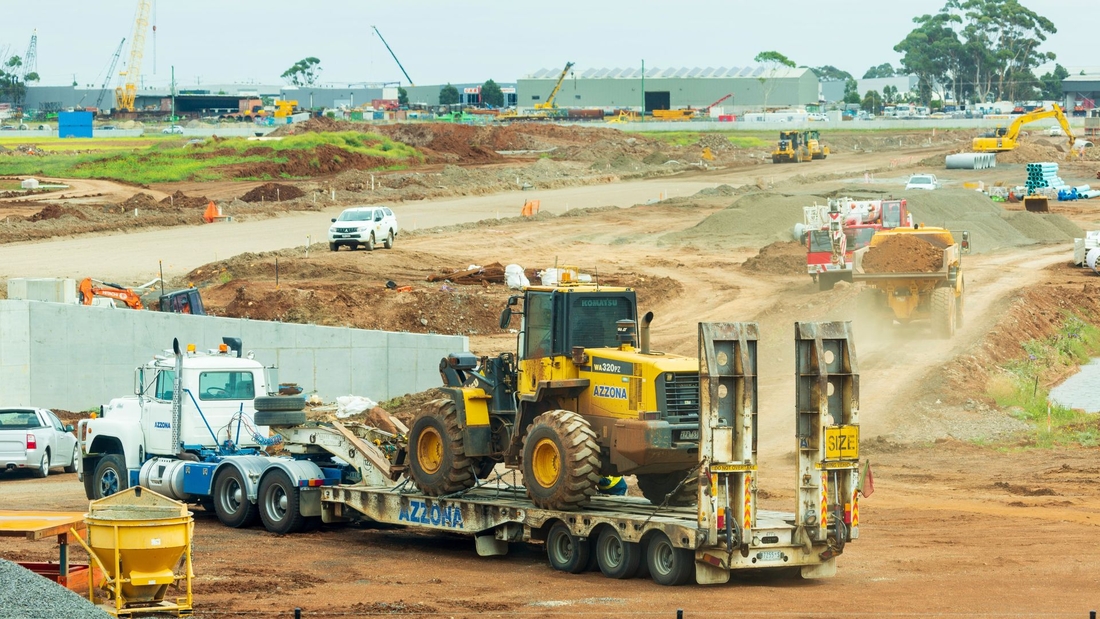
Heavy Equipment Hauling Guide The Essentials of Heavy Equipment Hauling Master heavy equipment hauling with expert insights on safety, regulations, efficient transport, permits, route planning, equipment selection, and reliable heavy equipment haulers. Heavy equipment hauling is a vital service across construction, mining, agriculture, infrastructure, manufacturing, and industrial operations. It involves moving large machinery that is often expensive, essential for daily work, and difficult to transport without proper planning. Unlike standard freight, heavy machinery transport requires careful coordination. The cargo may exceed standard size or weight limits, be sensitive to handling, or be subject to strict regulations. This means heavy equipment haulers must manage permits, route restrictions, safety protocols, trailer selection, loading methods, and delivery timing together. For businesses moving machinery, working with experienced heavy machinery shipping professionals can make a major difference in safety, cost, and delivery success. Key point: Successful heavy equipment hauling is not just about moving machinery. It is about planning the route, selecting the right equipment, securing permits, protecting the cargo, and making sure the machine reaches its destination safely and on time. What is Heavy Equipment Hauling? Heavy equipment hauling refers to transporting large machines and vehicles used in industries such as construction, mining, agriculture, infrastructure, and industrial operations. These machines are usually too large or too heavy for standard transport methods, so they require specialized trucks, trailers, permits, and handling procedures. This type of transport demands a detailed understanding of the equipment’s dimensions, weight, height, width, loading method, and delivery requirements. Proper planning helps reduce risks, delays, route problems, and equipment damage. Right Trailer Selecting the correct trailer is essential for safe loading, road clearance, and equipment protection. Weight Compliance Weight limits, axle configuration, and route restrictions must be reviewed before movement. Permits and Rules Oversized or heavy loads often require permits and must follow local transport regulations. Reliable heavy haul trucking companies also review routes to avoid low bridges, narrow roads, weak structures, restricted zones, and access issues that may complicate the move. Types of Heavy Equipment and Machinery Commonly Hauled Heavy equipment hauling covers a wide variety of machinery. Each machine has its own size, weight, function, and hauling challenge. Construction, mining, agricultural, and industrial businesses often need tailored transport solutions based on the type of equipment being moved. Common machines moved by heavy equipment haulers include: Bulldozers Excavators Cranes Loaders Backhoes Each type of equipment creates different transport needs. Cranes can be exceptionally tall and may require clearance planning. Excavators may have wide parts that require wider load permits. Bulldozers and loaders may need heavy-duty trailers, ramps, or special loading support. Specialized trailers such as flatbeds, lowboys, extendable trailers, and heavy-duty transport platforms are often used depending on the cargo’s height, width, length, and weight. Key Steps in the Heavy Equipment Hauling Process Effective heavy equipment hauling requires planning from the first equipment review to final unloading. Each step affects safety, cost, timing, and cargo condition. 1. Assess the equipment specifications The dimensions, weight, height, width, and machine condition must be reviewed before selecting the transport method. 2. Select the appropriate trailer and rigging The trailer type, loading method, and securing plan depend on the equipment size, weight, and road clearance needs. 3. Secure permits before movement Oversize load permits and route approvals should be arranged before dispatch to avoid fines, holds, and delays. 4. Monitor the shipment during transit GPS tracking and real-time updates help manage route changes, traffic issues, and unexpected obstacles. 5. Complete safe loading and unloading Trained personnel should handle loading, securing, unloading, and site coordination to protect the equipment and team. Choosing the Right Heavy Equipment Haulers and Transport Companies Choosing the right heavy equipment haulers is one of the most important decisions in the transport process. The right company can help reduce risk, improve timing, control cost, and protect valuable machinery. Businesses should evaluate experience, reputation, equipment capability, safety standards, and communication. The best heavy haul trucking companies understand the machinery type, route requirements, permit process, and possible challenges before the move begins. For additional heavy haul support, businesses can also review heavy equipment hauling services through NFFI for specialized trucking and equipment movement support. A reliable heavy equipment transport company should support: Permit acquisition Route planning Equipment maintenance awareness Secure storage solutions where required Clear pricing without hidden fees Real-time communication during transport Regulations, Permits, and Legal Considerations Heavy equipment hauling is governed by transport regulations designed to keep cargo, drivers, roads, and public infrastructure safe. These rules may vary by jurisdiction, route, cargo size, and equipment weight. Ignoring permit requirements can lead to fines, delays, route rejection, or shipment holds. A detailed permit application may include equipment dimensions, total weight, axle configuration, and the selected route. Dimensions Height, length, and width affect permit and route planning. Weight Cargo weight and axle configuration affect road approval. Route Routes must avoid restricted bridges, narrow roads, and unsuitable areas. When machinery or vehicles are part of cross-border movement, proper import planning also matters. Businesses can review GFFCA’s guide on importing vehicles to Canada for additional context around vehicle and equipment-related import movement. Safety Protocols and Best Practices Safety is a top priority in heavy equipment hauling. A small mistake during loading, securing, transport, or unloading can create serious consequences for the cargo, driver, road users, and project timeline. Machinery must be secured with appropriate restraints to prevent movement during transit. Loading and unloading should be handled by trained personnel using proper techniques, safety gear, and emergency response procedures. Best practices include: Use proper restraints and securement methods Train personnel on safe handling procedures Use safety gear during loading and unloading Maintain clear communication between all team members Use signage and alerts around oversized loads Adjust plans for weather conditions such as rain or snow Equipment and Technology Used in Heavy Hauling Heavy hauling depends on specialized equipment designed to move large and difficult loads safely. Different trailer types are used depending on the cargo dimensions, weight, and route restrictions. Flatbeds Used for versatile heavy loads where standard height and access are manageable. Lowboys Useful for taller machinery because they help reduce overall transport height. Extendable Trailers Used for lengthy equipment that cannot fit safely on standard trailer lengths. Technology is also improving heavy equipment hauling. GPS and tracking systems provide real-time location updates, support route adjustments, improve communication, and help keep deliveries on schedule. Hydraulic systems can also support easier loading and unloading while reducing manual effort. For complex inland movement, inland solutions help connect route planning, trucking coordination, site delivery, and shipment visibility. Cost Factors and Budgeting for Heavy Equipment Transport Heavy equipment transport includes several cost factors. Planning a realistic budget helps businesses avoid unexpected expenses and make better decisions before dispatch. Common cost factors include: Fuel prices and fuel consumption Permit and toll fees Labor costs and driver wages Trailer type and hauling method Route distance and restrictions Loading and unloading support Potential repairs, delays, or contingency costs Choosing the right equipment and route helps improve cost efficiency. A poor route can increase time and fuel usage, while the wrong trailer may create safety issues, height problems, or re-dispatch costs. Challenges and Solutions in Heavy Machinery Transport Heavy machinery transport comes with challenges that standard freight does not usually face. These challenges require careful planning, experienced operators, and strong communication. Common challenges Narrow roads Low-clearance bridges Changing permits and regulations Safe loading and unloading Weather and road restrictions Effective solutions Detailed route surveys Alternative route planning Experienced heavy haul operators Proper trailer selection Professional permit support The Future of Heavy Equipment Hauling: Trends and Innovations The future of heavy equipment hauling is being shaped by technology, better planning systems, and more efficient transport practices. Companies are investing in tools that improve safety, visibility, and operational performance. Emerging trends include: GPS and real-time tracking systems Automation in loading and unloading processes Sustainable practices focused on reducing emissions and noise Digital communication between transport companies and clients New trailer materials and designs that improve load flexibility As technology evolves, heavy equipment haulers will become more efficient, safer, and better equipped to handle larger and more complex machinery moves. Conclusion: Ensuring Success in Heavy Equipment Hauling Successful heavy equipment hauling requires a blend of planning, expertise, safety, compliance, and reliable execution. Choosing experienced heavy equipment haulers helps businesses protect machinery, avoid delays, and manage complex transport requirements. From permits and route planning to trailer selection, loading procedures, GPS tracking, budgeting, and site delivery, every step matters. At GFFCA, businesses can get practical support for heavy machinery shipping, equipment movement, inland coordination, and complex cargo planning. Move heavy equipment with confidence Need support with heavy equipment hauling or machinery transport? Get help with route planning, heavy machinery shipping, inland movement, permits, and safe cargo coordination. Request a Quote ?
About This Author

Golden Freight Forwarding
Mississauga, Ontario, Canada
Golden Freight Forwarding (Golden Freight) is a trusted Canadian freight forwarder delivering end-to-end logistics and supply chain solutions for businesses engaged in global trade. Headquartered in Mississauga, Ontario, we specialize in reliable, cost-effective, and scalable freight forwarding, int…
More Articles From This Author
Safe Equipment Move: Top Tips & Strategies
2026-07-13Heavy Equipment Moving | Machinery Relocation Essential Tips for Safe Equipment Moves A safe equipment move is not about rushing heavy machinery from one place to another. It is about planning, lifting, securing, transporting, and placing t… Read More »
 Australia
 Cayman Islands
 Dominican Republic
 Hong Kong
 India
India
 Indonesia
 Ireland
 Jamaica
 New Zealand
 Singapore
 Thailand
 United Kingdom
 United States
 Vietnam

 Canada Business Directory