Top Heavy Equipment Movers: Safe & Efficient Relocation
By Golden Freight Forwarding
· 06/19/2026
Heavy Machinery Shipping & Moving Support Heavy Equipment Movers: How to Choose the Right Team for Safe Machinery Transport Moving heavy equipment is not the same as moving regular freight. Large machinery requires planning, proper equipment, route coordination, safety checks, and experienced handling from pickup to delivery. Choosing the right heavy equipment movers is one of the most important decisions for businesses that deal with construction machinery, industrial equipment, manufacturing units, generators, forklifts, cranes, or oversized cargo. Heavy equipment is valuable, difficult to move, and often critical to daily operations. A small mistake during loading, lifting, transport, or unloading can lead to damage, delays, extra charges, or downtime. That is why businesses need more than a basic trucking provider. They need a logistics partner that understands heavy machinery shipping, equipment dimensions, secure handling, documentation, inland movement, and project timelines. Quick Answer The right heavy equipment movers should have experience with large machinery, proper loading equipment, route planning capability, cargo securement knowledge, insurance coverage, and clear communication throughout the move. What Do Heavy Equipment Movers Actually Do? Heavy equipment movers specialize in relocating large, heavy, oversized, or sensitive machinery from one site to another. Their role is not only to transport the machine. They help plan how the equipment will be lifted, loaded, secured, moved, unloaded, and delivered safely. In many cases, the move may involve disassembly, special permits, route checks, cranes, forklifts, lowboy trailers, flatbeds, step decks, or other specialized equipment. For companies moving machinery within Canada or planning complex domestic equipment relocation, reviewing heavy machinery moving services in Canada can help explain what type of planning is needed before the move starts. Types of Equipment Heavy Equipment Movers Handle Heavy equipment movers work with many different types of machinery across construction, manufacturing, energy, agriculture, logistics, and industrial sectors. Common equipment may include: Construction Equipment Excavators Bulldozers Loaders Graders Backhoes Industrial Machinery Press machines Lathes Manufacturing equipment Printing machines Production line equipment Power & Utility Equipment Generators Transformers Compressors Utility units Industrial power systems Every machine has different handling requirements. Weight, height, width, condition, lifting points, tires, tracks, attachments, and destination access all affect the move. Businesses moving construction or industrial machinery can also review this heavy machinery shipping guide to better understand how construction equipment planning works. Why Professional Heavy Equipment Movers Matter Heavy equipment moving requires more than a truck and driver. It requires coordination between the shipper, carrier, loading site, unloading site, route planner, and sometimes permit authorities. Professional movers help reduce the risk of damage, missed schedules, unsafe handling, and unexpected cost increases. They also help protect the equipment by using proper loading methods, cargo securement, route planning, and delivery coordination. Professional Movers Help With: Equipment assessment before the move Loading and unloading planning Trailer and equipment selection Route review and delivery access checks Cargo securement and safety planning Coordination with pickup and delivery locations Reducing downtime during relocation Key Factors to Check Before Choosing Heavy Equipment Movers Not every freight company is prepared to move heavy equipment. Before choosing a mover, businesses should check whether the provider understands machinery movement and has experience with similar cargo. 1. Experience With Similar Equipment A mover that has handled similar machines will better understand loading methods, weight distribution, securement, and delivery risks. For example, moving a forklift is different from moving an excavator. Moving a generator is different from moving an industrial press. 2. Proper Equipment and Trailer Options Heavy equipment may require flatbeds, step decks, lowboys, RGNs, forklifts, cranes, skates, dollies, or specialized handling tools. Choosing the wrong equipment can create loading delays or safety risks. If your machinery is oversized or requires special routing, this guide on oversized freight shipping can help explain why dimensions and route planning matter. 3. Insurance and Risk Protection Heavy equipment is expensive. The mover should have proper coverage and should clearly explain what is covered during transport. Businesses should always confirm insurance details before the move begins. 4. Transparent Cost Breakdown Heavy equipment moves can involve accessorial charges, permit costs, waiting time, special loading equipment, escort requirements, or storage-related charges. Reviewing cost details early can help avoid surprises later. Businesses can also learn more about possible cost issues through this guide on hidden charges in trucking heavy haul services. 5. Route and Delivery Planning Heavy equipment may not fit every route, entrance, dock, or delivery location. Route planning helps identify tight turns, bridge limits, access restrictions, site challenges, and delivery timing issues before the move begins. The Heavy Equipment Moving Process A successful equipment move usually follows a structured process. 01 Assessment Equipment details, dimensions, weight, condition, pickup location, and delivery location are reviewed. 02 Planning The team selects the right equipment, trailer type, route, handling method, and loading plan. 03 Loading Machinery is loaded carefully using suitable lifting, driving, or handling equipment. 04 Transport The shipment moves with securement checks, route coordination, and delivery updates. 05 Delivery The equipment is unloaded, positioned, and checked at the destination. For domestic and regional equipment movement, businesses can also explore NFFI’s heavy equipment hauling support when inland hauling and specialized truck movement are required and for car shipping moving guide you can read this article Heavy Equipment Moving and Inland Logistics Heavy equipment shipping often includes more than the main transport move. Machinery may need to move from a yard to a port, from a warehouse to a job site, from a rail location to a customer facility, or from an arrival terminal to final delivery. This is where inland solutions become important. Inland coordination helps connect pickup, trucking, warehouse handling, port movement, and final delivery into one practical plan. For international heavy machinery movement, the inland portion may also connect with ocean freight when equipment is exported or imported by container, flat rack, or specialized cargo service. Common Mistakes to Avoid When Moving Heavy Equipment Many equipment moving issues happen before the truck even arrives. Missing details, unclear access, incorrect dimensions, or weak planning can create delays and additional charges. Not confirming accurate machine dimensions and weight. Not checking if the equipment runs or needs loading assistance. Not providing photos of the machine and loading area. Not reviewing pickup and delivery access. Not checking if permits or special routing are needed. Not confirming insurance coverage before transport. Choosing only by price without reviewing capability. Waiting until the last minute to plan the move. A better planning process can help reduce these issues and keep the move on schedule. This is also why many businesses review how heavy haul transport makes shipping easier before moving high-value machinery. How GFFCA Supports Heavy Equipment Movers and Machinery Shipping GFFCA helps businesses plan heavy equipment movement with practical freight coordination, documentation support, route planning, carrier coordination, and shipment visibility. Whether your equipment is moving locally, across Canada, to a port, or as part of an international shipment, the goal is to reduce risk and make the process easier to manage. GFFCA supports businesses with: Heavy machinery shipping planning Construction equipment transport coordination Inland trucking and delivery support Oversized and special cargo planning Ocean freight coordination for international movement Documentation and shipment review Freight partner coordination from pickup to delivery Conclusion Heavy equipment movers play an important role in protecting valuable machinery during relocation. The right mover does more than transport the machine. They help plan the move, select the right equipment, reduce handling risk, and coordinate the shipment from start to finish. Before choosing a provider, businesses should review experience, insurance, equipment capability, route planning, cost transparency, and communication. With proper planning and the right logistics support, heavy equipment moving becomes safer, smoother, and easier to manage. Useful Heavy Machinery Resources Explore related GFFCA heavy equipment and machinery shipping resources: Heavy Machinery Shipping Heavy Machinery Moving Canada Construction Equipment Guide Oversized Freight Shipping NFFI Heavy Equipment Hauling Need Help Moving Heavy Equipment? GFFCA helps businesses move heavy machinery, construction equipment, oversized cargo, and industrial freight with better planning, coordination, and visibility. Request a Quote
About This Author

Golden Freight Forwarding
Mississauga, Ontario, Canada
Golden Freight Forwarding (Golden Freight) is a trusted Canadian freight forwarder delivering end-to-end logistics and supply chain solutions for businesses engaged in global trade. Headquartered in Mississauga, Ontario, we specialize in reliable, cost-effective, and scalable freight forwarding, int…
More Articles From This Author
Safe Equipment Move: Top Tips & Strategies
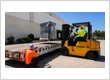
2026-07-13Heavy Equipment Moving | Machinery Relocation Essential Tips for Safe Equipment Moves A safe equipment move is not about rushing heavy machinery from one place to another. It is about planning, lifting, securing, transporting, and placing t… Read More »
 Australia
 Cayman Islands
 Dominican Republic
 Hong Kong
 India
India
 Indonesia
 Ireland
 Jamaica
 New Zealand
 Singapore
 Thailand
 United Kingdom
 United States
 Vietnam

 Canada Business Directory